
Key Takeaways
- The No Work No Pay Policy in the Philippines means employers pay for actual work done, but exceptions exist depending on company rules.
- In situations of danger, like floods, employees can refuse unsafe work without punishment, as per DOLE’s guidance.
- If employers unfairly prevent workers from coming in, they may owe wages regardless of the No Work No Pay Policy.
- Workers should document evidence of danger when staying home and communicate this clearly to their employer to protect their rights.
- Ongoing legislative efforts aim to establish a calamity pay law, providing employees extra pay during disasters, but no law currently exists.
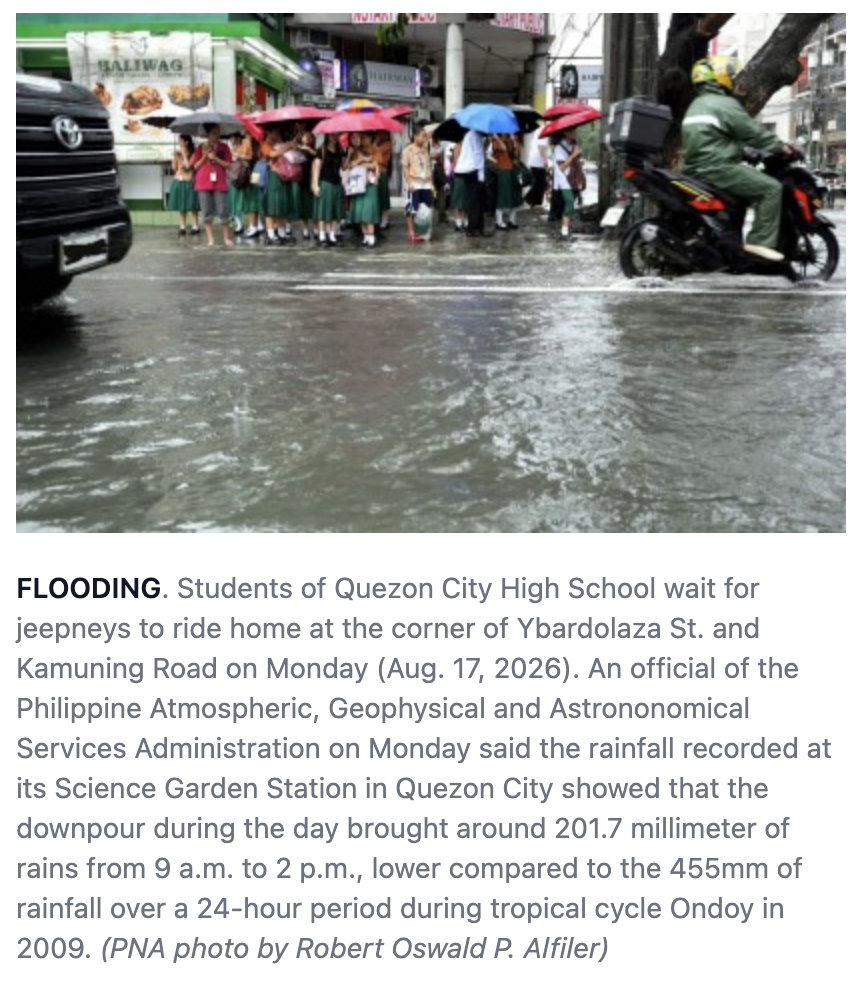
On August 17, people walked through floodwater just to enter an LRT-1 station in Manila. Some of them went in because a missed day meant a smaller paycheck. Others stayed home and later found a Notice to Explain waiting for them.
If that sounds familiar, you probably have one question. Can your boss cut your pay when you skip work because it’s dangerous?
Most of the time, yes. But your boss can’t punish you when the danger is real, and that difference counts. This guide covers DOLE’s newest rules, the pay math at ₱755 a day, and your next steps.
What No Work, No Pay Actually Means
The idea is simple: your employer pays you for the work you actually do. You won’t find it in one neat Labor Code article, though. The Labor Code and years of Supreme Court decisions built the rule together.
Holidays vs. Bad Weather Days
Many people first bump into this rule on special non-working holidays. DOLE applied it on Ninoy Aquino Day in 2025, for example. The same rule shows up again each time a typhoon stops work.
| Situation | Normal pay rule | What can change it |
| Special non-working holiday, you don’t work | No pay | Company rules, past practice, or CBA |
| Work stopped for bad weather, you don’t work | No pay | Company rules, past practice, CBA, or leave |
The Exception That Can Protect Your Pay
Law firm explainers usually skip one detail. The Supreme Court has said this rule covers workers who choose to stay away.
When your employer is the one keeping you from work, the math changes. If your employer unfairly locks you out, you may still recover your wages. Your employer sending you home and you choosing to stay home aren’t the same thing legally.
This is general information, so check with a lawyer about your own case.
Why Typhoon Season in the Philippines Feels Harder in 2026
This year’s habagat in numbers
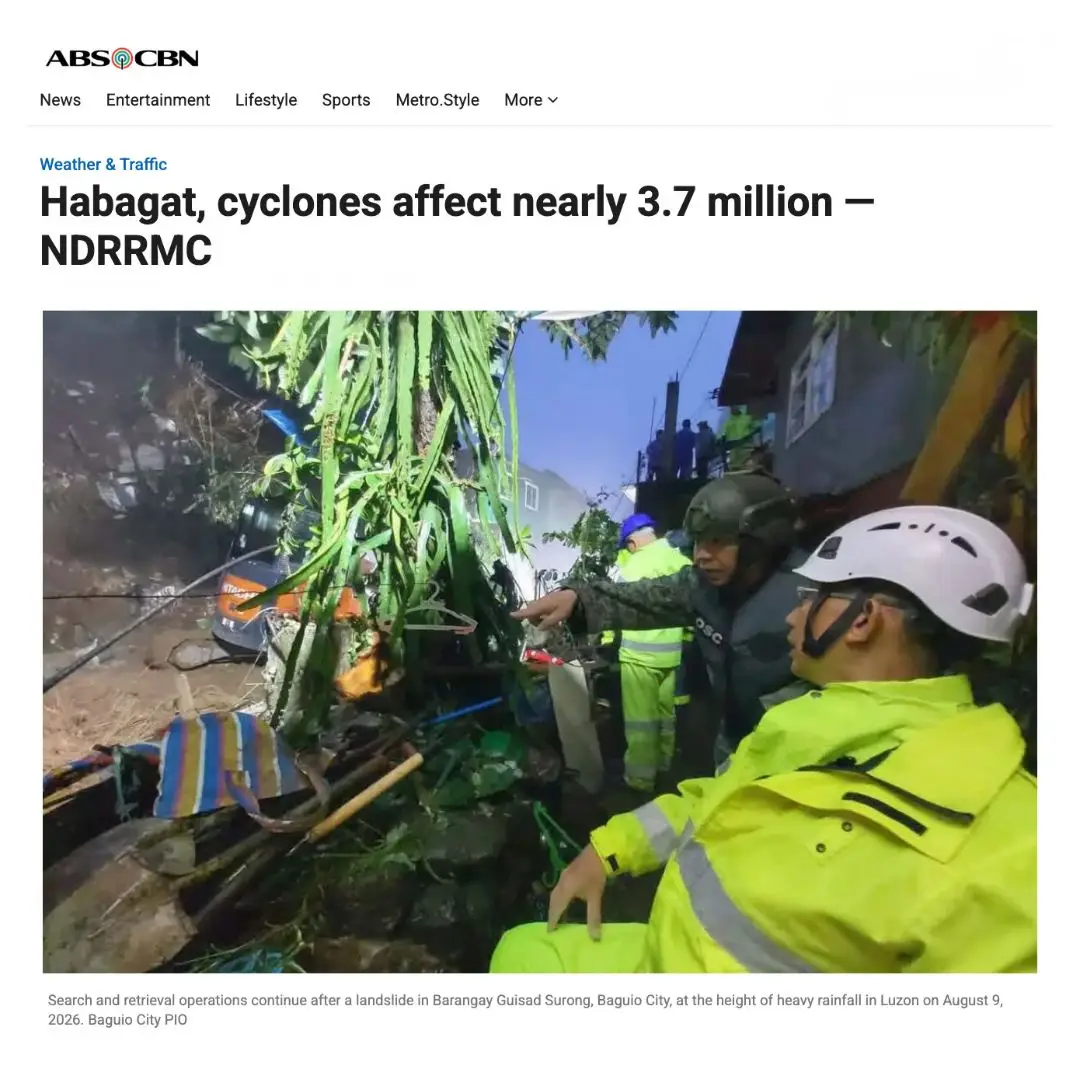
By August 21, 88 cities and towns were under a state of calamity. The rains and floods reached more than six million people. The Philippines also topped a global disaster risk ranking again in 2025.
What a Flood Day Costs at Minimum Wage
On July 25, the NCR minimum wage went from ₱695 to ₱755 a day. That makes each unpaid flood day a ₱755 hit.
The losses add up fast in a heavy rainy season. This year, the habagat kept classes and government work suspended on several days. Three unpaid flood days in one month would cost a minimum wage worker ₱2,265. That’s before you count wet clothes, damaged shoes, or a clinic visit after wading.
Minimum wage is only the floor, though. If you want to see what your role usually pays, check our salary guide for remote roles. It covers more than 80 roles across seven sectors.
What Happened During Typhoon Uwan
This isn’t new. When Super Typhoon Uwan hit in November 2025, BIEN Philippines ran round-the-clock monitoring of BPO worker complaints. Workers from about 100 companies reached out. Most told the same story, that they need to report on-site, flood or no flood.
The Labor Secretary later told DOLE regional offices to call these companies in and hear their side. In other words, foreign clients don’t exempt a company from Philippine labor rules.
Your Rights During Work Suspension in the Philippines
Who decides if your office closes
When the Palace announces “walang pasok,” it’s talking about government offices and schools. Its orders leave private companies to make their own call. Your employer decides, ideally after talking to its safety officer or safety committee.
So don’t assume a class suspension headline means your office is closed too. Timing is another problem. In August, the Palace faced criticism for a late announcement that caught workers already on the road.
Your right to refuse unsafe work
DOLE Secretary Francis Tolentino signed Labor Advisory 14-2026 on August 19. It says your employer can’t punish you for refusing work because of serious danger. DOLE calls this “imminent danger,” meaning something that could kill you or seriously hurt you.
The labor advisory goes a step further. It also counts danger on your way to and from work. It tells employers to stop work or move people to WFH when that danger exists.
There’s a limit, though. The safety law ties your right to refuse to danger that DOLE confirms. Keep proof, and don’t rely on your word alone. Employers who ignore safety rules on purpose face fines of up to ₱100,000 a day.
What You Get Paid in Each Case
| Your situation | What your employer owes you |
| Work stopped and you didn’t work | No pay, unless company rules, CBA, past practice, or leave covers it |
| You worked six hours or more | A full day’s pay |
| You worked less than six hours | Pay for the hours you worked |
| You stayed home because of serious danger | No pay, but no punishment either |
| You worked from home | Your normal pay |
DOLE sets these as the baseline, and a better company policy wins over them.
Picture a minimum wage worker in Metro Manila earning ₱755 a day. She spends three hours getting through floods and works 4.5 hours once she arrives. Since that’s under six hours, her employer pays her about ₱425.
Her coworker stays home to stay safe and gets nothing, unless company rules say otherwise. No one can punish either of them, yet both go home with less money.
Can Your Employer Make You Use Vacation Leave?
The advisory lets you use leave you’ve already earned, so the day stays paid. It doesn’t make vacation leave automatic for bad weather absences. If HR deducts leave without asking, ask them which company rule they’re applying.
Your company’s track record counts too. If it has paid typhoon days for years, it may have to keep paying them.
Is Working From Home a Right?
Not by law. The work-from-home law lets private employers offer WFH if they choose to, so your boss can say no. Once your employer approves it, though, you should get the same pay and treatment as office staff.
BPO and ecozone workers may have more room than they think. The CREATE MORE Act lets ecozone companies keep tax perks with up to 50% of staff on WFH. During disasters, they can go past that limit if their emergency plan allows it.
Safety vs. Salary: What to Do the Morning the Flood Hits
Do a Five-Minute Danger Check
Before you leave, look at PAGASA’s rain warnings and your local government’s latest update. Then check flood reports for the roads you actually use.
DOLE tells employers to base their decisions on PAGASA, NDRRMC, PHIVOLCS, DOH, and local government advisories. Use the same sources, and your proof lines up with your employer’s own checklist. A bad flood on your route still counts, even if no one stopped work nationwide.
Tell Your Manager in Writing with Proof
DOLE expects workers to flag serious danger to their employers right away. Send a message before your shift starts, with a photo, the time, your location, and the warning link. Something like this works:
Hi [Manager], the flood outside my home in [Barangay] is waist-deep right now. PAGASA has a red rain warning for our area (link here). I can’t travel safely, so I can’t come to the office today. I can work from home if you approve, and I’ll keep you posted.
Why bother with proof if your manager seems fine with it? It’s never wrong to make sure you are protected with proof. This is just a hypothetical scenario, but what if this happens to you?
One employee missed eight days because of chest-deep floodwater outside their home. Each time, they messaged their boss with proof and got back a one-word “noted.” Then their leave ran out, and the company charged them with AWOL.
Under the new advisory, the company shouldn’t hold them liable. Those saved messages are what you’d want in a fight like that.
If You Do Go In, Protect Your Health
Floodwater carries leptospirosis, a disease that spreads through the urine of infected animals like rats. In Metro Manila, 72% of confirmed cases this year involved contact with floods. One San Lazaro Hospital patient got seriously ill after floodwater got into his rubber boots.
If you waded through floods, visit a health center soon. Do not take Doxycycline without a doctor’s clear prescription and proper dosing advice.
When Your Employer Won’t Protect You
If your employer brushes off the rules, you have options, and they don’t cost money to start.
Step 1: Start inside your company
Ask HR for the written policy on bad weather and disasters. If it doesn’t exist, that tells you something. Bring your concern to the safety officer or safety committee next. DOLE’s 2025 advisory requires employers to keep a full safety plan for disasters.
Step 2: Call DOLE Hotline 1349
You can call 1349 or email [email protected] or through their legal query form with concerns about your work setup during disasters. You won’t be the only one calling. The hotline handled 48,381 questions in the first three months of 2026 alone.
Step 3: File a request through e-SEnA
For pay cuts, NTEs, or unfair suspensions, you can file on DOLE’s e-SEnA website. SEnA (Single Entry Approach) is a free, 30-day process where a DOLE officer helps you and your employer reach a deal. Safety rule complaints go straight to your DOLE regional office instead, since SEnA doesn’t handle those.
Step 4: Go to the NLRC if needed
If the two sides can’t agree, the SEnA officer can refer your case to the NLRC (National Labor Relations Commission). At that point, it’s worth getting a labor lawyer or your union involved.
Mistakes that Hurt Your Case
A few moves can quietly weaken your position. Staying home without telling anyone is the big one, even when the danger seems obvious. Don’t sign papers that give up your claims while someone is pressuring you.
Double-check any advisory you see on Facebook, because old DOLE posts keep going around. And try not to quit in anger before you’ve used these steps.
Your Money Safety Net When You Lose Pay or Get Hurt
ECC Covers Injuries on Your Way to Work
The ECC (Employees’ Compensation Commission) program covers accidents on the way to and from work. The catch is that you need to be on your usual route, without a big side trip.
If an injury keeps you from working for a while, ECC pays 90% of your daily salary credit. It also pays a ₱30,000 funeral benefit. You have three years to file a claim.
The ECC has also approved a leptospirosis claim before, in a case linked to the worker’s job. The Employees’ Compensation Commission FAQ explains who qualifies and how to file.
SSS and Pag-IBIG Calamity Loans
If you need cash fast, both SSS and Pag-IBIG have calamity loans. SSS cut its calamity loan interest from 10% to 7%. On August 17, it also opened emergency loans for Maymay and habagat victims.
Pag-IBIG lets affected members borrow up to 90% of their savings at 5.95% a year. One thing to know is that Pag-IBIG only opens the loan in areas on its official list. For leptospirosis patients, PhilHealth has its own benefit package.
Is there extra pay for working during calamities?
Not under current law. Some proposals in Congress would add extra pay for workers who report during disasters, but none has passed yet. For now, any extra pay depends on your company’s policy or your CBA (Collective Bargaining Agreement).
If your employer does offer calamity pay or allowances, get the details in writing.
How to Tell If an Employer Will Protect You Before You Sign
The law shields you from punishment. Your pay, on the other hand, depends on your employer’s policies. The good news: you can learn a lot without asking awkward questions.
Start with the job post. Many listings state whether a role is remote, hybrid, or on-site. That one detail tells you how much the rainy season will affect you.
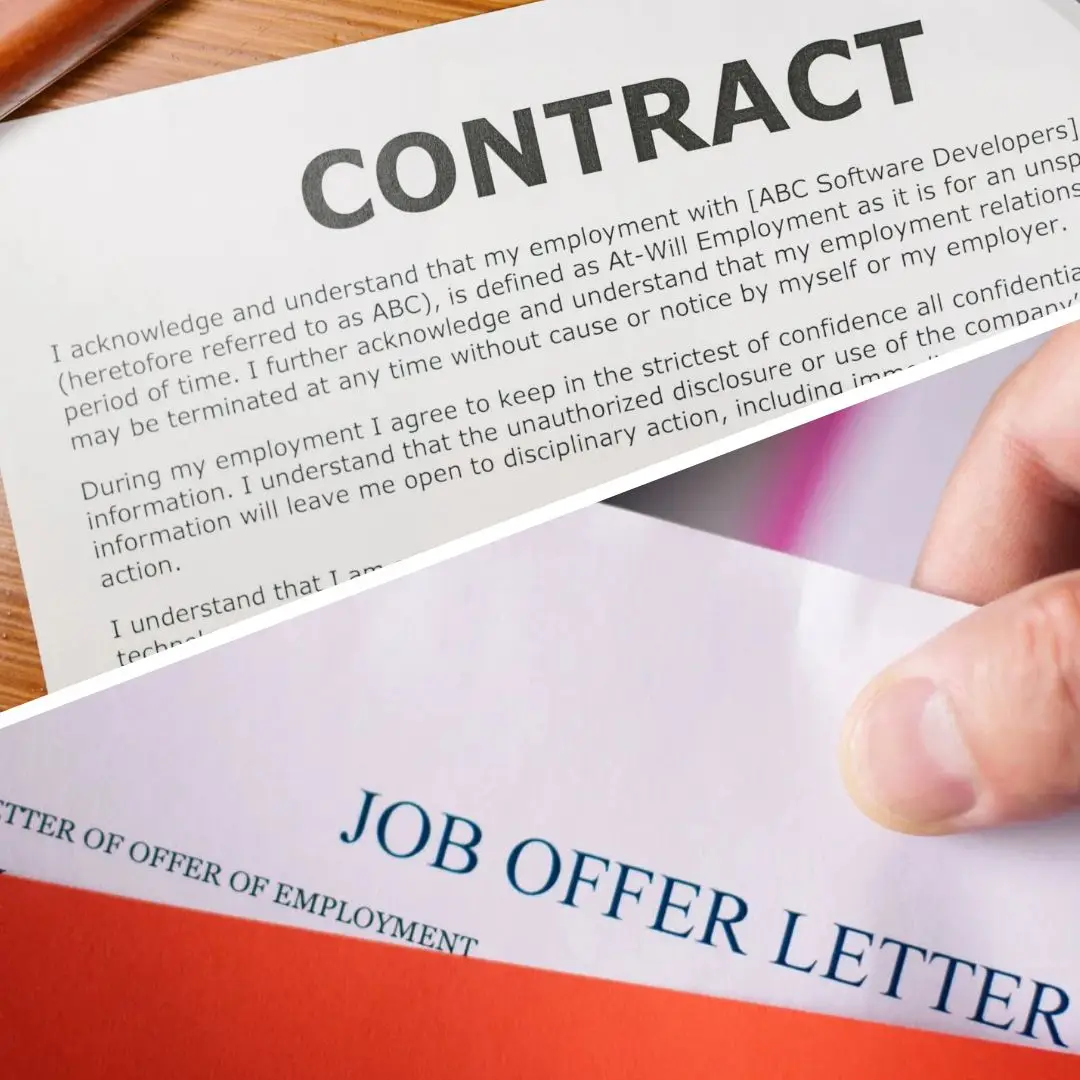
Next, read your offer letter and contract closely. They often cover leave, work setup, and attendance rules. If something is unclear, the offer stage is a normal time to ask about it. HR expects questions about leave and work setup before you sign.
If you do want to bring it up in an interview, keep it casual. Try something like “What does a typical week look like for this team?” The answer usually shows the work setup without making it about typhoons.
You can also learn a lot outside the interview. Ask friends or former coworkers who work there how the company handled the August floods. Job review sites help too, so search reviews for words like “flood” or “typhoon.”
How Remote and Hybrid Work Changes the Math
Everything above assumes you have to get to an office. A remote or hybrid role takes a lot of that risk off the table.
If you work from home, a flooded street doesn’t force you to choose between safety and pay. You skip the commute, so you skip the floodwater and the leptospirosis risk too. Power and internet outages can still cause problems, of course. But those are easier to plan around than a waist-deep street.
Hybrid roles help too, since you can often shift office days when a storm is coming.
Penbrothers offers remote and hybrid roles with international companies. So for many of our people, a red rain warning means logging in from home. You can see how remote hires join client teams in our four-step hiring process.
Choosing an Employer That Plans for the Next Storm
For now, the law protects your safety more than your paycheck. Until Congress passes a calamity pay law, company policy fills that gap. So the employer you pick has a real say in what the next typhoon costs you.
If you’d rather work with a team that plans for storms, browse open remote roles at Penbrothers.
Frequently Asked Questions
Yes. The Labor Code and Supreme Court decisions treat it as the normal rule, with exceptions like paid leave, regular holidays, and better company policies.
Only if company rules, a CBA, past practice, or your leave covers it.
Not if serious danger kept you home. Tell your employer right away, and keep proof of the danger.
No. Palace orders cover government offices, and private employers make their own call.
Not yet. House Bill 4435 and Senate Bill 520 are still pending.
Start with DOLE Hotline 1349, then file a request through e-SEnA if you need to.